
Rising military operations and conflicts in the region are hitting ocean shipping, raising costs and forcing supply chains worldwide to be redesigned
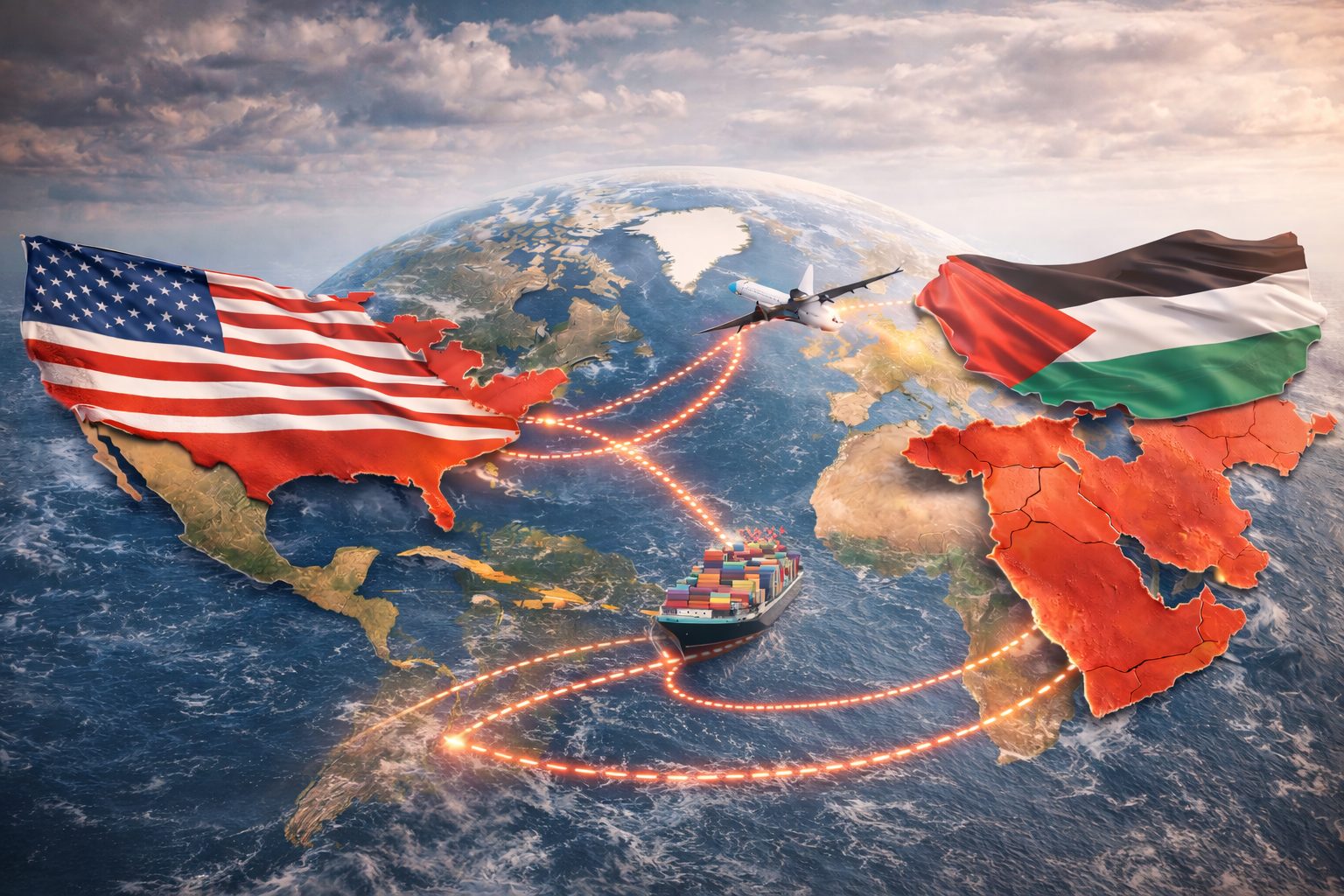
Growing tension between the United States and actors in the Middle East, particularly in areas near Syria and the Gulf, is having a direct impact on global logistics. Beyond the political conflict, the most visible effect is the disruption of strategic sea routes and a rise in operational risk.
One of the main hotspots is the Red Sea and Suez Canal corridor, through which a critical share of world trade passes. Attacks on vessels, together with the US military response in the region, have caused a significant drop in maritime traffic and the diversion of routes to longer passages such as the Cape of Good Hope.
This logistics reshuffle has had immediate effects: longer transit times, higher freight rates, steeper insurance premiums and less reliable schedules. In some cases, trade flows have fallen significantly because of uncertainty and security risks.
In addition, the militarization of the region and the deployment of US forces have heightened the perception of risk in key corridors, affecting both ocean shipping and overland routes in the Middle East.
Latin America and Mexico are not immune to these disruptions. Higher transport costs from Asia and the Middle East directly affect import costs, the availability of inputs and the competitiveness of exports, forcing companies to rethink their logistics strategies, diversify routes and strengthen nearshoring.
In this context, logistics resilience becomes a critical factor. Companies that anticipate these changes, optimize their planning and adapt to a volatile geopolitical environment will have a clear competitive edge in international trade.
SOURCE: J.P. Morgan Global Research; DHL Ocean Freight Market Updates; Reuters; Hellenic Shipping News.
Published: March 2, 2026
Last updated: November 27, 2026
Slug: tension-between-the-united-states-and-the-middle-east-reshapes-global-logistics-routes