Higher fuel costs are pushing up transportation rates, hurting operational efficiency and forcing adjustments across supply chains.
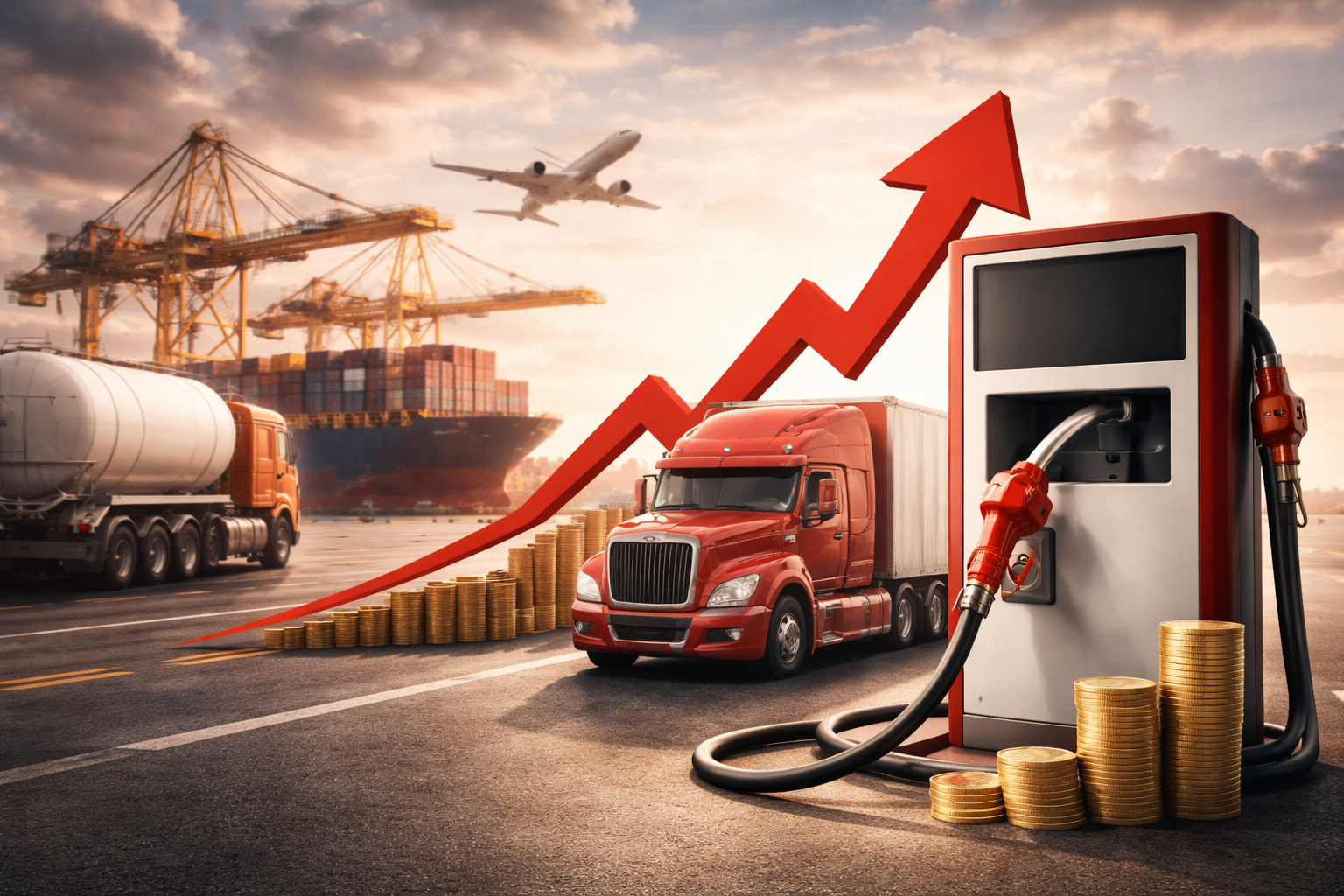
The recent increase in diesel prices in Mexico is having a direct impact on domestic logistics, raising transportation costs and forcing companies and carriers to rethink their operating strategies.
Diesel is the main fuel used in freight transportation in the country, so any change in its price is immediately reflected in freight rates. In recent weeks, the higher cost has started to pass through to trucking services, affecting both domestic shipments and foreign trade operations.
More expensive fuel affects not only the movement of goods but the entire logistics chain. Importers, distributors and manufacturers face higher operating costs, which may translate into adjustments to final prices, thinner margins or changes in inventory planning.
Carriers have also started taking steps to stay profitable, such as route optimization, cargo consolidation and adjustments to trip frequency. In some cases this can lead to less operational flexibility and longer delivery times.
A sustained rise in diesel costs can also affect equipment availability, as some carriers scale back operations or prioritize more profitable routes. This puts additional pressure on transportation capacity, especially during peak seasons.
Fuel price behavior is closely tied to global factors such as the energy market and geopolitical tensions, which adds another layer of uncertainty to logistics planning.
In this scenario, the ability to adapt becomes key. Companies with visibility into their operations, dynamic planning and flexible logistics strategies are better positioned to mitigate the impact and keep their operations running.
SOURCE: Analysis of the energy market and transportation in Mexico — logistics industry reports and sector organizations.
Published: March 24, 2026
Last updated: November 27, 2026
Slug: rising-diesel-prices-drive-up-logistics-costs-in-mexico