
Road blockades and limited ground mobility are causing delays, putting pressure on ports and forcing operational adjustments across Mexico's logistics flows.
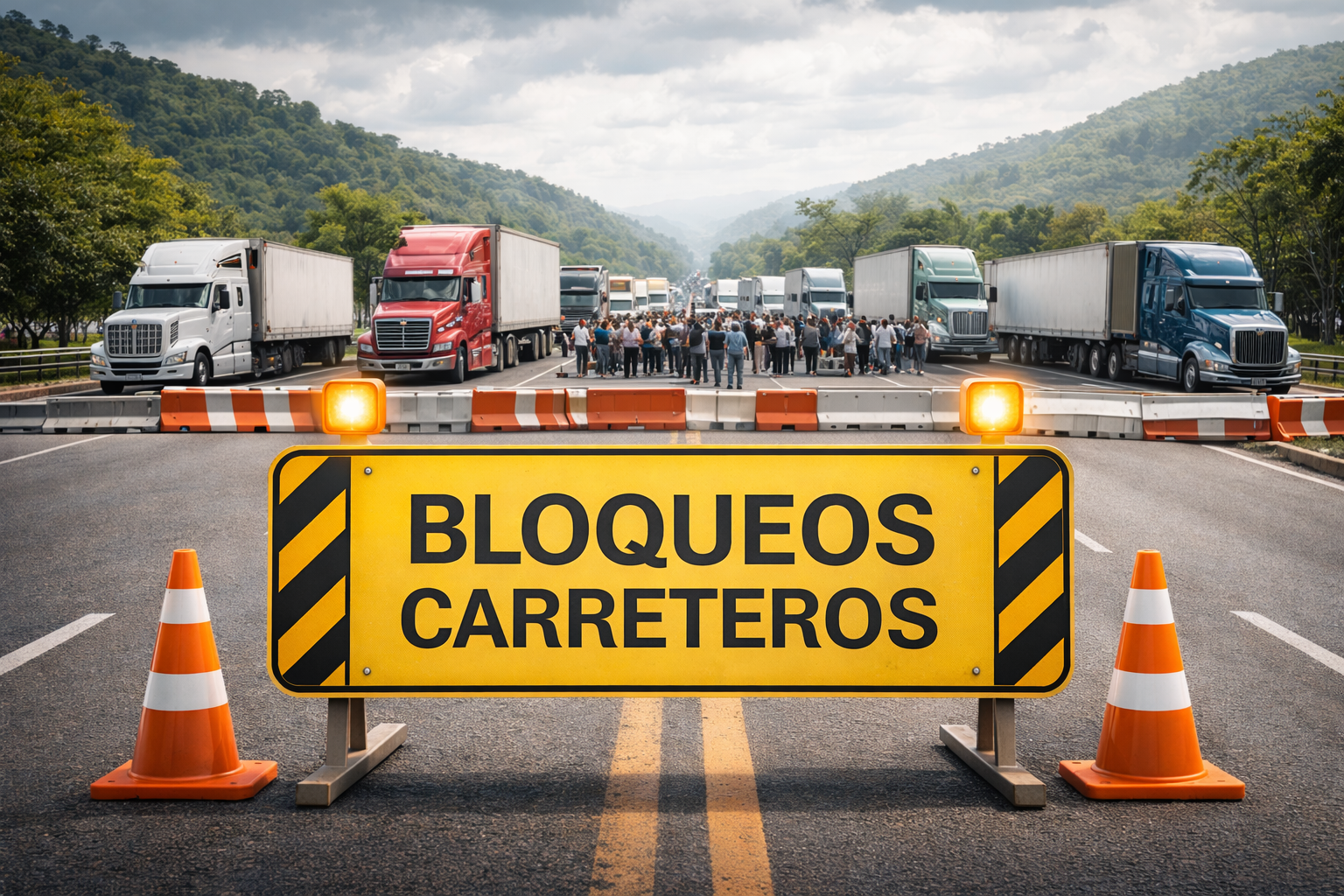
In recent days, several regions of Mexico have experienced disruptions to ground transportation, caused by road blockades and complex operating conditions at key points across the country. Although these events stem from security situations, their impact has carried straight through to supply chain performance.
Trucking, the main mode of freight distribution in Mexico, has seen its operational continuity affected, leading to delivery delays, rerouting and higher logistics costs. Carriers and logistics providers have had to implement detours and real-time adjustments to keep freight moving.
These disruptions have also affected strategic nodes such as ports, particularly on the Pacific coast. The reduced flow of trucks has led to cargo buildup, longer container dwell times and operational pressure on clearance and pickup processes.
In addition, industries that rely on just-in-time models, such as automotive, manufacturing and retail, face risks of shortages, inventory imbalances and production delays, highlighting the country's heavy dependence on ground connectivity.
Against this backdrop, experts agree that logistics resilience is key. Real-time visibility tools, dynamic route planning and diversified operations are decisive factors in mitigating the impact of events like these.
In an environment where disruption can arise unexpectedly, operational adaptability has become critical to ensuring the continuity and efficiency of supply chains in Mexico.
Published: February 25, 2026
Last updated: November 27, 2026
Slug: road-and-port-disruptions-in-mexico-hit-supply-chain-efficiency