With a new country head, direct expansion in Latin America and a strategy that puts long-term relationships ahead of fleet size, PIL aims to stand out on the most congested Asia–Mexico corridor in years
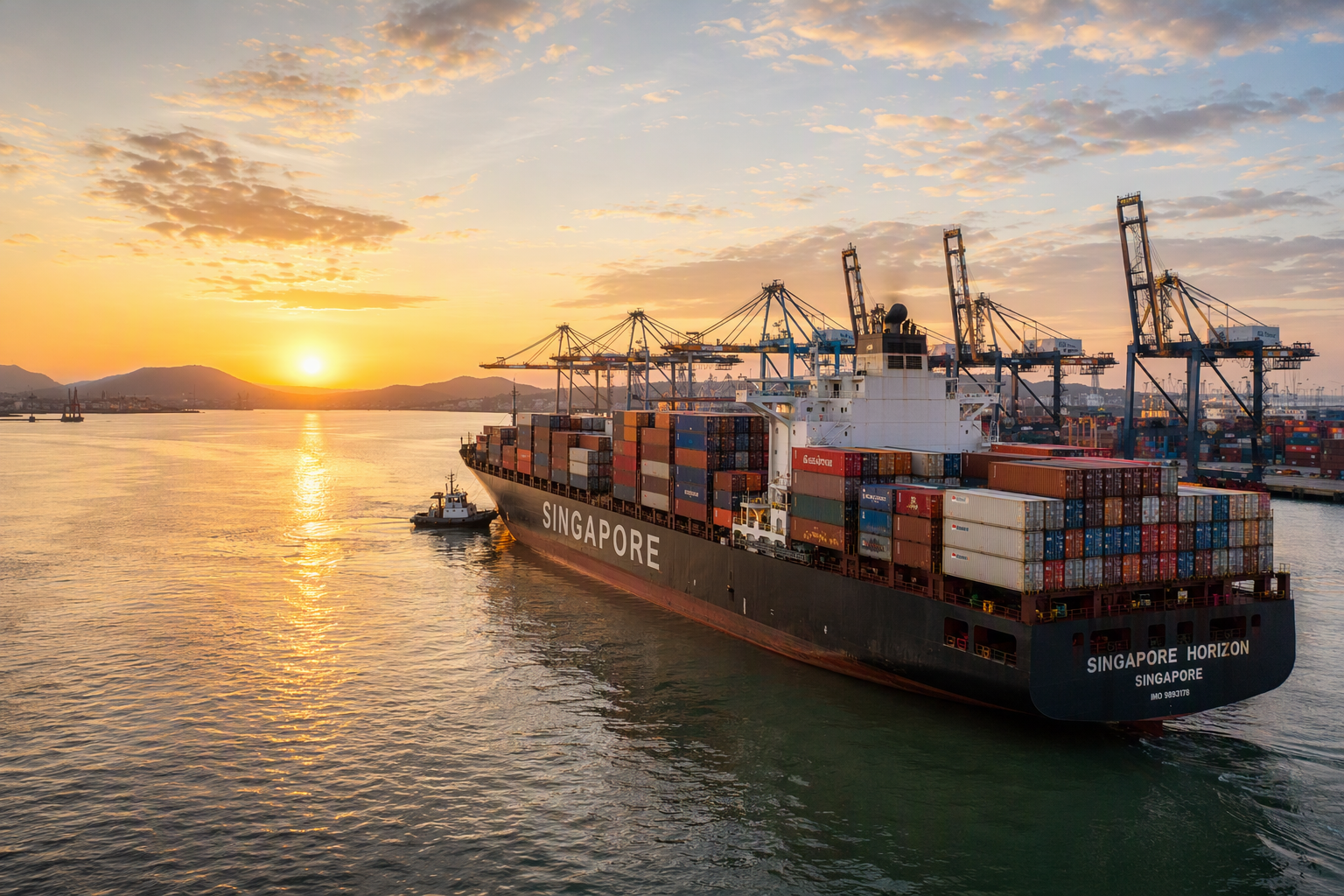
In a transpacific market where the world's largest carriers compete on scale, fleet and massive networks, Pacific International Lines is arriving in Mexico with a different bet. The Singapore-based carrier, founded in 1967 and ranked among the twelve largest in the world with 442,000 TEUs of capacity and a fleet of 99 container ships, has spent months building a direct presence in Latin American markets where it previously operated through agents. After opening its own offices in Brazil, Peru and Guatemala, Mexico holds a strategic place in that expansion: not only as a destination for Asian cargo, but as a natural platform connecting to Central America and the Southern Cone. The stated goal is specific: reach a 4% to 5% share of Mexico's Pacific ports, a threshold that, at current volumes, would mean significant growth in its presence at Manzanillo and Lázaro Cárdenas.
Paradoxically, PIL is consolidating this bet at one of the most complex moments for ocean shipping on the Asia–Pacific route. Brenda Santiago, who became general manager of PIL Mexico last April after 18 years in the maritime industry, including a significant tenure at CMA CGM, describes it clearly: the market faces rising rates, tight space and growing uncertainty stemming from changes in U.S. trade policy. That is precisely why the carrier is aiming to stand out not through fleet capacity, but through fast decision-making, closeness to customers and long-term commercial relationships. It is a contrarian bet in an industry where size usually drives the conversation. As the executive puts it, the vision is to establish PIL as an organization known for its closeness to customers, service excellence and ability to adapt to a constantly evolving market.
PIL's operating track record in Mexico supports that ambition. Since July 2025, the carrier has run its West Coast South America 6 service from Contecon Manzanillo, connecting ports in China and South Korea with Mexico, Guatemala, Colombia, Peru and Chile on a weekly basis. The service, launched in 2022, came to Manzanillo and strengthens PIL's position on the corridor. For importers and freight forwarders looking for alternatives to the congestion of the major carrier alliances, PIL's direct entry offers an additional option in a market where carrier concentration keeps rising. China already accounts for 22% of Mexico's non-oil imports, according to Banco de México data, making the transpacific route a critical artery of the national supply chain. Any carrier offering consistent service, confirmed capacity and agile local management on that route has fertile ground. PIL is betting that this is exactly what the market needs today.
SOURCES: T21 (July 2026 edition) · T21 (April 2026) · Pacific International Lines · Alphaliner · Banco de México · Contecon Manzanillo
Published: July 6, 2026
Last updated: November 27, 2026
Slug: singapores-pil-bets-on-mexico-as-a-regional-platform-targets-5-of-the-pacific