With foreign trade exceeding 47,000 million dollars a month in exports, the low level of cargo insurance is one of the biggest unmanaged risks in the national supply chain
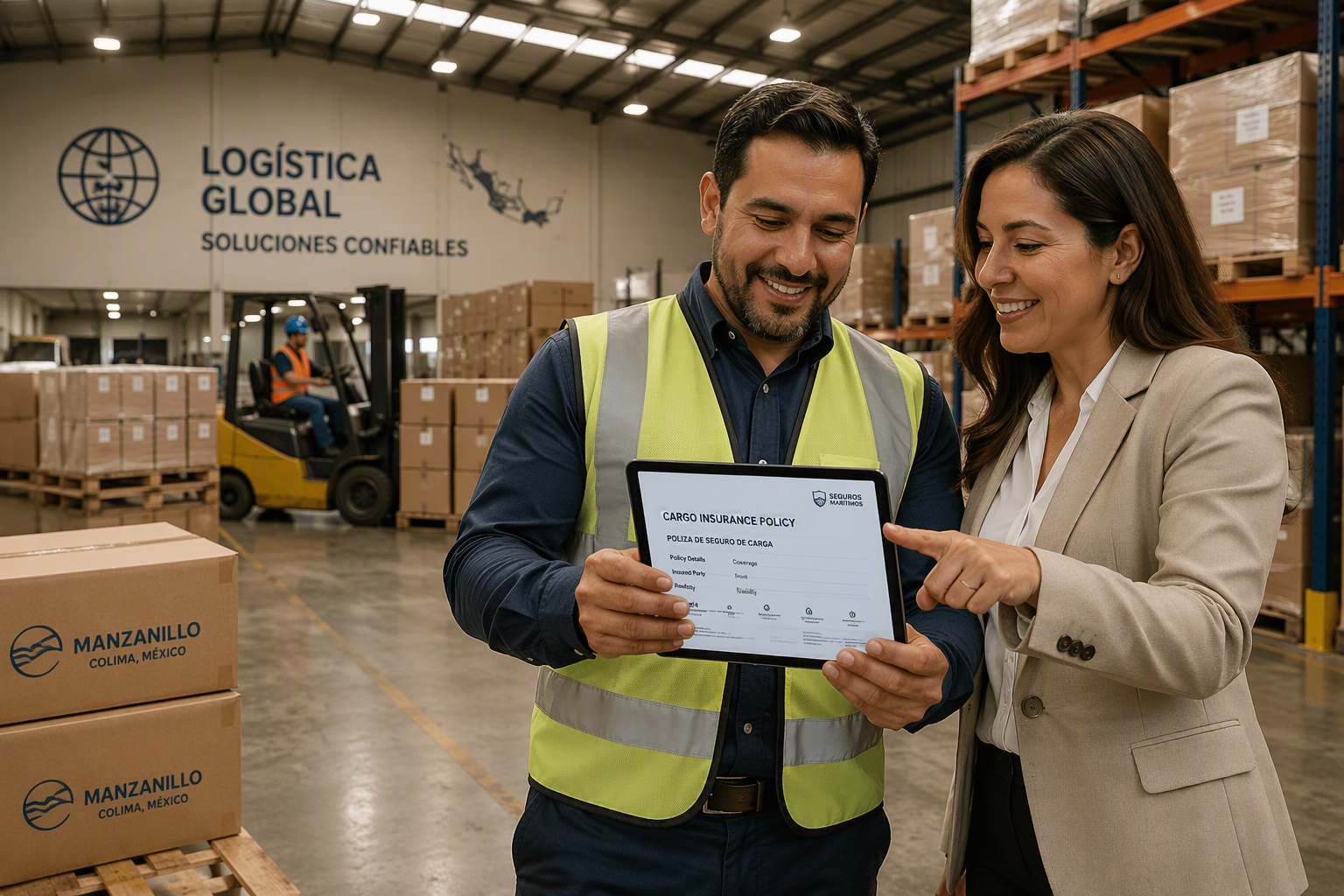
In 2025 Mexico consolidated its position as the main trading partner of the United States, and its merchandise exports grew 2.9% in July of that year, marking three consecutive months of year-over-year increases, according to INEGI data. However, behind those record volumes lies a structural vulnerability that the logistics sector rarely discusses with the urgency it deserves: only between 35% and 40% of goods transported in the country have cargo insurance coverage, a share that contrasts sharply with Mexico's weight in international trade. For an operator moving containers between Monterrey and Laredo, or for an IMMEX company importing inputs from Asia via Manzanillo, operating without insurance is not a cost-saving decision but direct exposure to losses that can jeopardize business continuity.
The paradox the industry identifies is revealing: the gap is not explained by a lack of demand, but by the historical absence of accessible solutions for small and medium-sized companies. Traditional insurance models were designed for large corporations with predictable volumes and administrative structures able to negotiate complex policies, leaving out most of Mexico's logistics ecosystem: independent freight forwarders, trucking companies and customs brokers who move high-value cargo with no financial backing in case of a loss. SafeLink Group, a logistics insurance specialist serving more than 1,800 operators in Mexico, the United States and Latin America, identified this gap as its main growth opportunity and, after completing an institutionalization phase backed by domestic and international investment, is betting on digitalization and products designed for specific logistics players as a way to democratize access to cargo insurance in the country.
The geopolitical and operational context of 2026 makes closing this gap more urgent. Marine war risk insurance premiums soared between 60% and 220% after the closure of the Strait of Hormuz, cargo theft on Mexican highways remains one of the biggest risks on the northern corridor, and the 2026 Customs Law reform added direct liability for customs brokers and carriers in the event of loss or damage to goods in their custody. For IMMEX companies whose temporarily imported inputs represent millions of dollars of work-in-process inventory, lacking adequate cargo coverage is also a regulatory compliance risk, not just a financial one. The market's message is clear: in an environment where disruptions are the norm rather than the exception, cargo insurance is no longer an optional expense but a basic component of any competitive logistics strategy.
SOURCES: INEGI · Excélsior · Milenio Negocios · Dinero en Imagen · T21 · SafeLink Group · Heraldo de México
Published: July 7, 2026
Last updated: November 27, 2026
Slug: only-4-out-of-10-shipments-travel-insured-in-mexico-the-gap-that-exposes-thousands-of-logistics-operators