With the nationwide rollout of customs agencies on July 1 and a technology strategy presented to more than 800 customs brokers, ANAM is betting on faster processes, higher revenue collection and legal certainty across the country's 50 customs offices
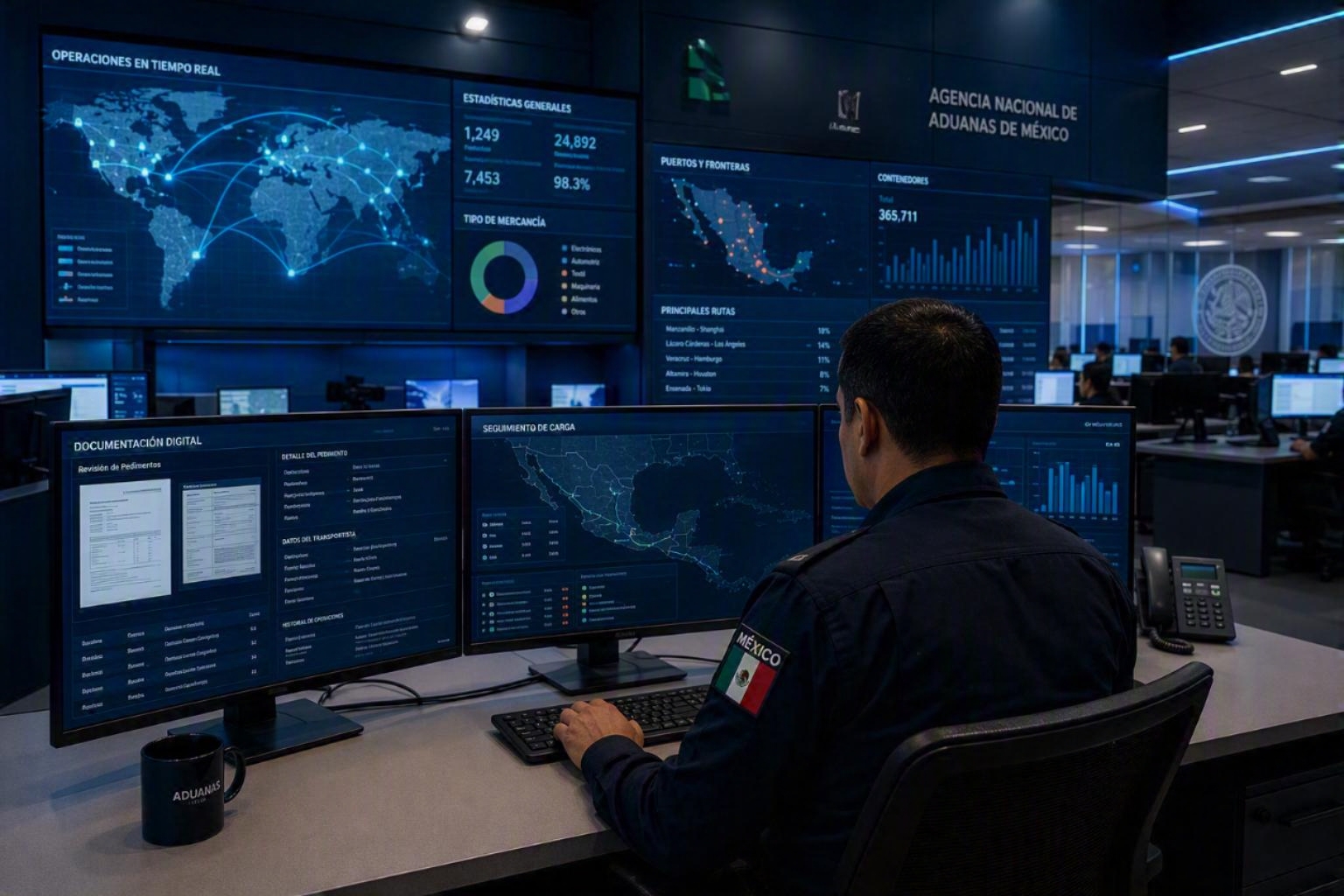
Two moves in less than three weeks outline the deepest transformation of Mexico's customs system in recent years. The first came on July 1, when the Ministry of Economy, the National Customs Agency of Mexico (ANAM) and the Tax Administration Service (SAT) jointly rolled out, nationwide, the operation of customs agencies —legal entities that can now clear goods at the country's 50 customs offices under a modernized framework with greater legal certainty. The measure was preceded by a pilot that ran from May 19 to June 30, during which technical and legal observations raised by industry organizations were addressed before scaling the operation nationwide. The change is significant: customs agencies are gradually replacing a model built around individual customs brokers, opening the door to more robust, better-capitalized and technologically integrated operating structures.
The second move came nine days later, at the National Congress of the Confederation of Customs Broker Associations of Mexico held in Cancún, where ANAM head Héctor Alonso Romero Gutiérrez presented the talk "Challenges and goals of Mexican Customs 2026-2027" to more than 800 customs brokers from across the country. The institutional strategy rests on four pillars: institutional modernization, end-to-end digitalization, technological autonomy and data science-driven processes, with the aim of increasing revenue collection, speeding up customs operations and facilitating international trade. ANAM also presented technology tools designed to improve user service and simplify procedures, a clear sign that the authority sees competitiveness as a goal shared with the private sector and not only as a matter of enforcement.
For freight forwarders, IMMEX companies and foreign trade operators, these changes have several practical layers. Consolidating the customs agency as a legal entity creates new possibilities for alliances, subcontracting and specialization within the industry, but it also requires operators to review their service contracts and make sure their clearance providers meet the new authorization requirements under this framework. At the same time, ANAM's technology push, with an emphasis on data science and intelligence applied to operation selection and risk profiling, points to an environment where the quality of the documentary file and the consistency of the information transmitted will be decisive for keeping operations flowing. The geopolitical context adds urgency: with the T-MEC (USMCA) review underway, the USTR report's remarks on trade barriers at Mexican customs and U.S. pressure for greater transparency in clearance procedures, modernizing the customs system is no longer just a domestic priority but a condition of the bilateral trade relationship.
SOURCES: El Imparcial · El CEO · Revista Fortuna · SDP Noticias · Eje Central · Heraldo de México · Central Municipal · SAT / ANAM / Secretaría de Economía
Published: July 20, 2026
Last updated: November 27, 2026
Slug: mexico-overhauls-its-customs-system-from-the-ground-up-customs-agencies-data-intelligence-and-international-cooperation-mark-a-new-era-in-clearance