
With 47 cargo airlines operating and more than 843,000 tons handled since 2023, the airport far outpaces AICM in cargo; however, the dispute with Washington over the forced move of operations remains the only pending issue
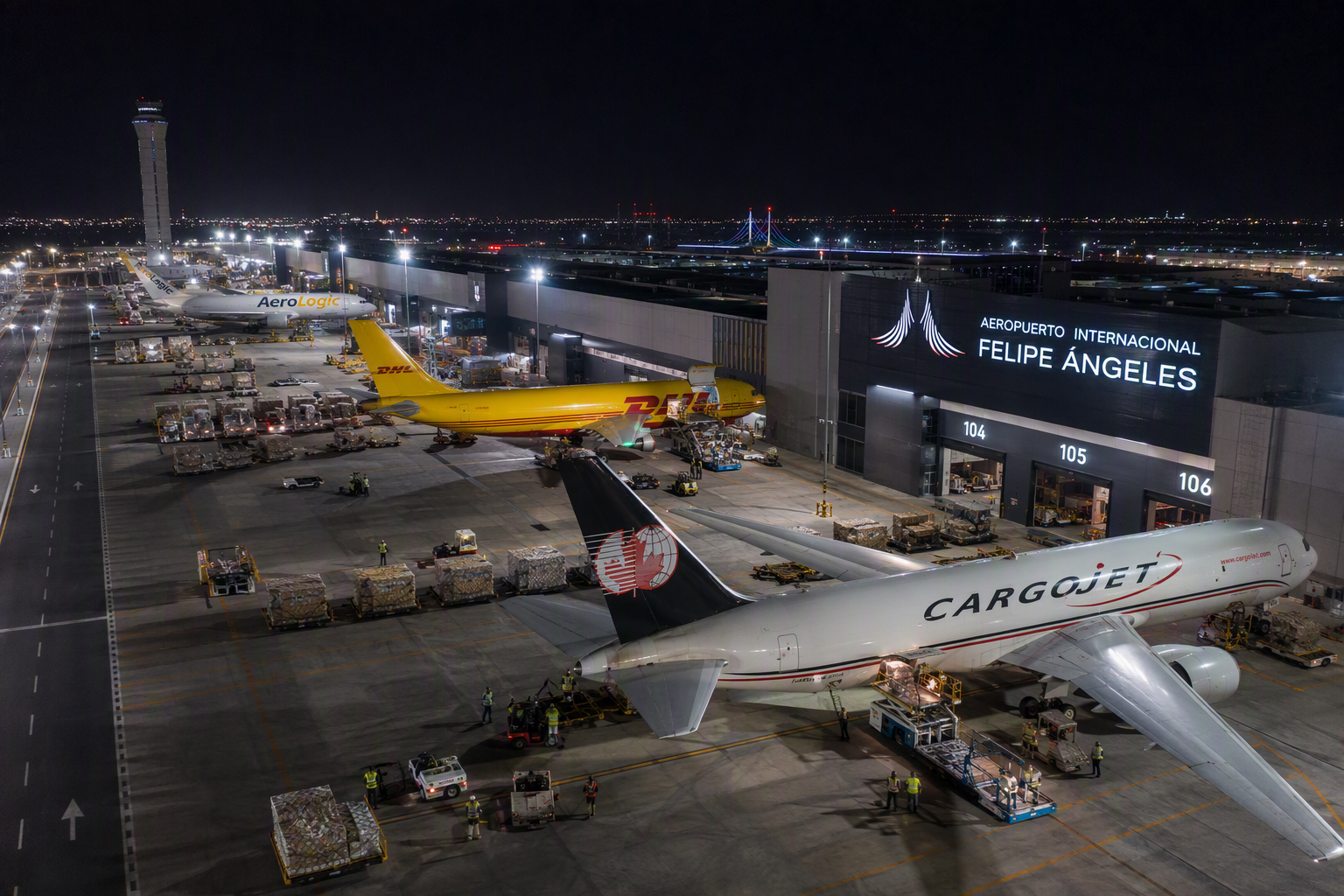
What began in 2023 as a controversial regulatory decision has become a consolidated operational reality: Felipe Ángeles International Airport (AIFA) is Mexico's main air cargo hub. The results of moving cargo operations to AIFA are striking: the number of cargo airlines operating at the airport grew 161%, from 18 to 47 companies, and between February 2023 and July 2025 more than 843,000 tons were handled, compared with the 250,000 tons per year that AICM handled in 2022. Add to that slot availability with no time restrictions, eleven bonded facilities with national and international certifications, and direct land connectivity to the main industrial corridors of central Mexico. For air cargo operators and freight forwarders managing imports and exports from the Bajío, northern Estado de México and Querétaro, AIFA is no longer the alternative airport but the first choice.
The bilateral context surrounding this consolidation, however, remains the most complex backdrop for Mexico's air sector. During 2025 the U.S. Department of Transportation argued that Mexico violated the 2015 Bilateral Air Transport Agreement by forcing cargo airlines to move from AICM to AIFA, giving domestic operators an unfair advantage. The president of the Mexican Association of Cargo Agents said, after meeting with President Sheinbaum together with customs brokers, authorities and U.S. and Mexican cargo airlines, that no cargo carrier plans to return to AICM, since operating at AIFA already offers greater security, faster cargo handling and extended customs hours. Aeroméxico itself said in a call with analysts that moving cargo airlines to AIFA is the only issue still under negotiation with the United States, since the other topics under discussion — returning slots and schedule management at AICM — have already been resolved.
For foreign trade operators and freight forwarders who use air cargo on the Mexico–U.S. corridor, the situation calls for active attention but does not raise immediate operational alarm. Flights, routes and schedules between the two countries have not changed, and codeshare agreements between airlines remain in force. The SICT confirmed that 8,000 million pesos have been invested in infrastructure improvements at AIFA, and that AICM currently ranks third in the world for punctuality as a result of the decongestion created by moving cargo out, with immigration waiting times cut from 45 to 8 minutes and security checkpoint efficiency improved by 69%. The most likely scenario is a negotiated resolution before the T-MEC (USMCA) talks in September add more pressure to the bilateral relationship. For those planning air cargo shipments to and from Mexico in the fourth quarter, the industry's recommendation is to closely monitor the outcome of those negotiations and keep alternative routing options identified in case the situation leads to additional restrictions on a specific route.
SOURCES: T21 · El Universal · El Financiero · Infobae México · SICT / Gob.mx · Amacarga · El Cronista México
Published: August 13, 2026
Last updated: November 27, 2026
Slug: aifa-consolidates-as-mexicos-main-air-cargo-hub-but-the-bilateral-dispute-with-the-us-is-not-fully-resolved