With millions of international visitors, dozens of matches and simultaneous retail campaigns, the country's supply chains face their greatest operational stress in decades
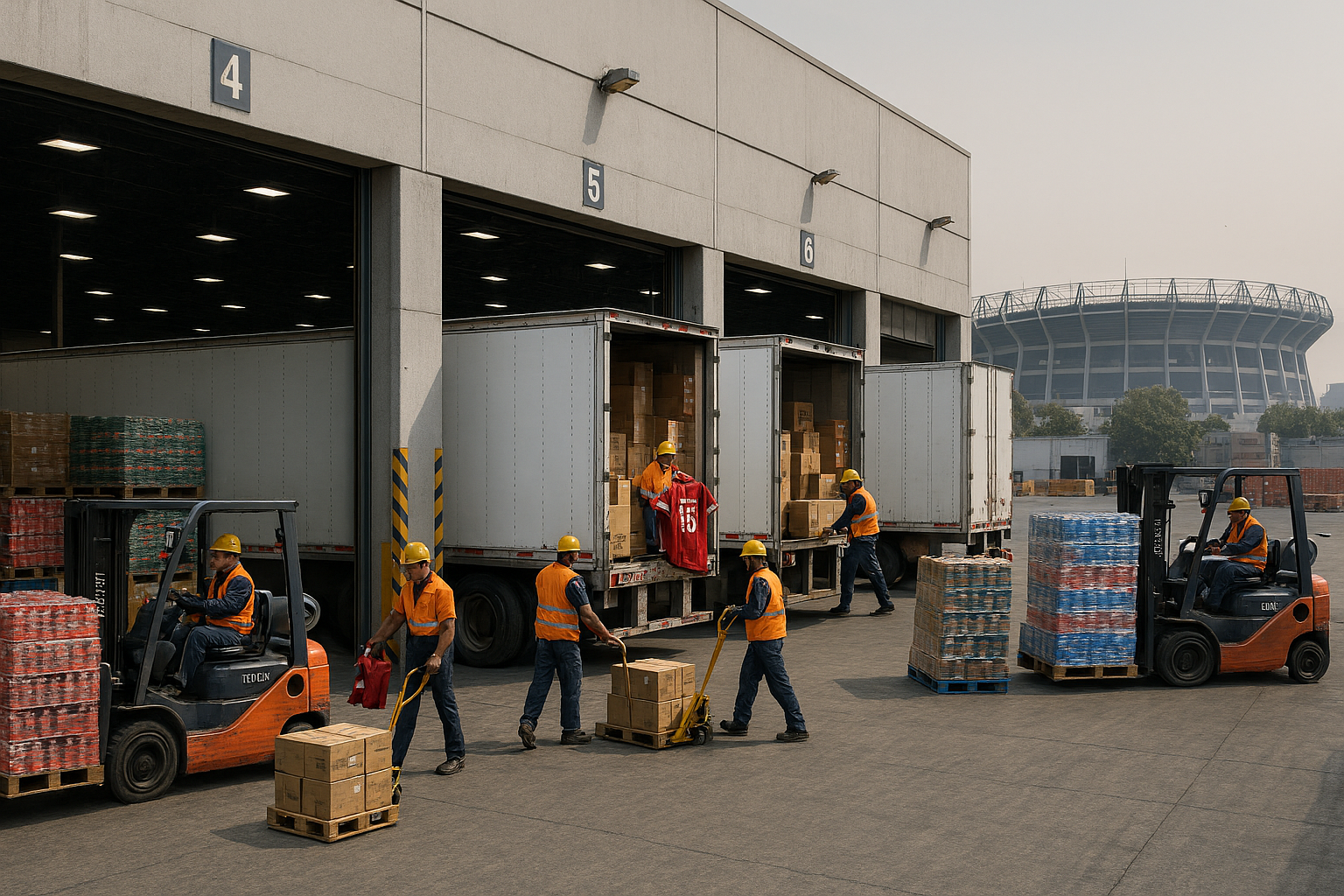
Mexico is living an unprecedented logistics moment in June 2026. Hosting the world's biggest football tournament, shared between Mexico, the United States and Canada, is putting extraordinary pressure on the entire supply chain. Mexico is expected to receive more than 5.5 million international visitors, and sectors such as food service, lodging, transportation, entertainment and retail could grow by up to 30% during the tournament, with effects reaching well beyond the host cities. Behind every match, every product sold and every successful transfer is a logistics network that has spent years preparing for this moment.
For industry operators, the scenario means opportunity and saturation at the same time. Insurance industry specialists expect logistics activity to grow by up to 15% because of the event, especially in freight transportation, warehousing, hospitality, food and urban deliveries, and companies are accelerating investments to meet that demand. The challenge is compounded because in 2026 mass discount campaigns such as Hot Sale coincide with the football tournament, retail and department store campaigns, and Father's Day shopping, creating a perfect storm of simultaneous demand peaks that strain an infrastructure already running at capacity. Domestic transport companies are already responding: Mexican parcel and freight operators are moving goods from multiple warehouses to the host cities and to the large entertainment venues set up for the tournament.
The international dimension of the impact also matters for foreign trade. The tournament organizers appointed an official logistics provider to centralize customs management and the international shipping of critical cargo, while the North American rail sector has invested hundreds of millions of dollars in fleet renewal to strengthen freight corridors between Canada and Mexico, reducing dependence on bottlenecks at U.S. ports. For export manufacturers and international freight forwarders working the North American corridor, the message is clear: the tournament rewards those who already have well-located logistics capacity and contracts in place, since demand peaks spike in very specific windows that leave no room for improvisation. If Mexico's logistics chain responds efficiently, the country will have won something more lasting than any sports result: establishing itself as a logistics platform capable of running one of the most complex events in the world.
Published: June 15, 2026
Last updated: November 27, 2026
Slug: the-world-cup-ignites-mexican-logistics-between-a-historic-opportunity-and-operating-at-the-limit