Space Release Fees, volatile schedules and rising fuel costs turn quotes into references that can change overnight, forcing importers to rethink how they buy freight
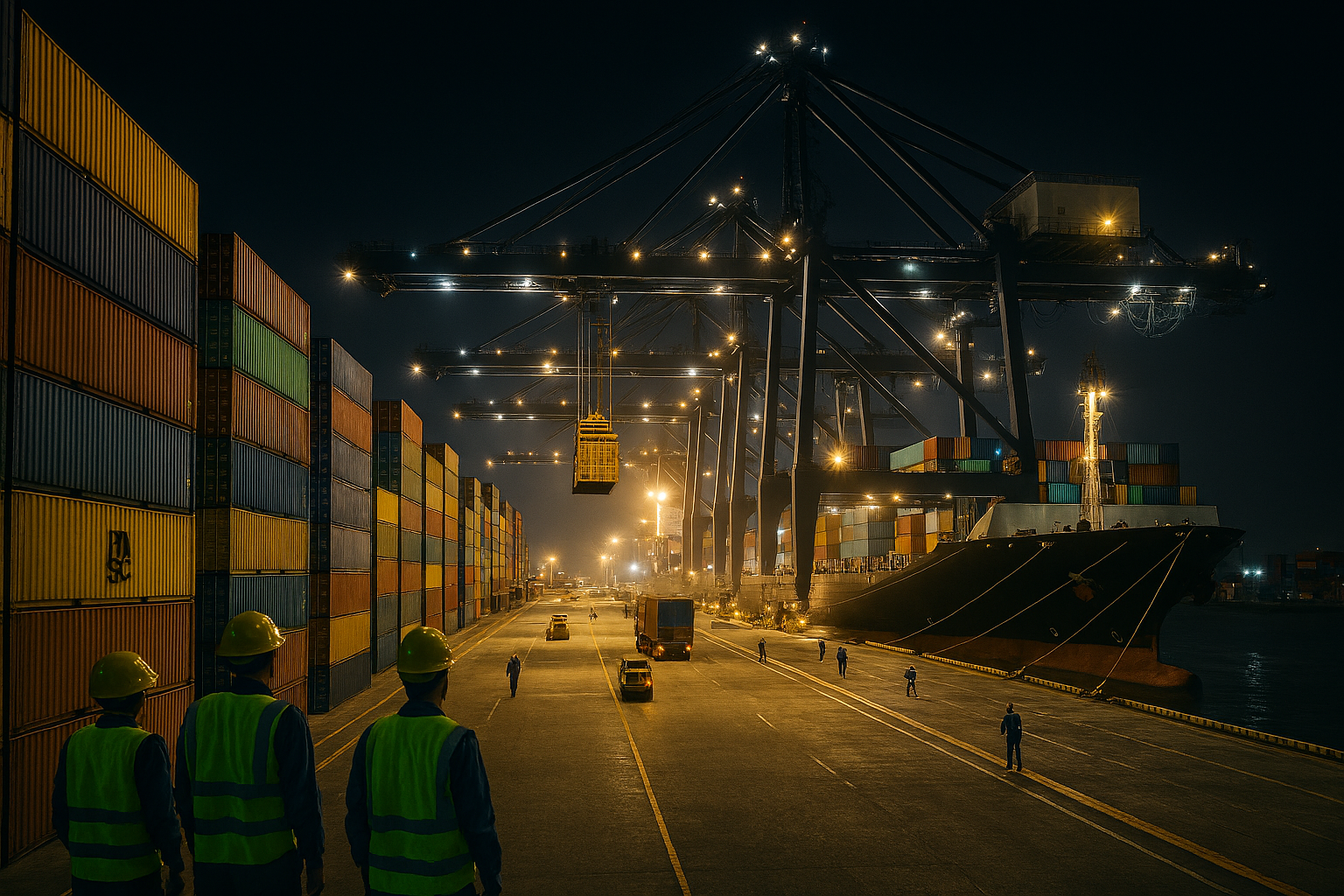
The ocean freight market from China to Mexico and North America is going through one of its most volatile periods in recent years, and the problem is no longer just price: the rules of the game have changed completely. In June 2026, FCL rates from China to US West Coast and Mexican ports rose between 66% and 74% compared with May, with 20-foot container rates ranging from 4,307 to 5,264 dollars, and 40-foot rates from 5,018 to 6,133 dollars to Los Angeles, Long Beach and New York. For Mexican importers who supply their production chains from Asia, these figures are a direct hit to cost structures that was not included in this year's budgets.
But price is only half the problem. What is paralyzing operations for freight forwarders and importers is a new phenomenon: booking space weeks in advance no longer guarantees loading. Carriers are applying Space Release Fees and Equipment Release Fees—additional charges collected before space allocation is confirmed—whose amount varies day by day depending on the actual availability on each vessel. An importer may have had a booking in place for three weeks and receive, the night before, notice of a schedule change or an additional charge of up to 2,000 or 3,000 dollars per container for destinations such as Guatemala, Panama, the Caribbean or northern Colombia. The US–China tariff truce triggered a wave of demand faster and sharper than any normal peak season, and with that truce expiring in November 2026, many importers have pulled Q3 volumes forward into May and June, saturating available capacity. The result: vessel capacity is frequently being booked three or four weeks ahead, and missing a sailing to wait for the next week's can cost at least 1,000 additional dollars per container, as carriers are raising rates by no less than that amount every week.
On top of this comes fuel pressure. Bunker Adjustment Factors (BAF) are climbing quickly to offset the year-over-year increase in the cost of very low sulfur marine fuel, and carriers are holding firm on Peak Season Surcharges (PSS), which add between 500 and 2,000 dollars per container depending on each operator's allocation level. In this context, FOB customers who usually collect quotes from several freight forwarders and take days to compare options before confirming are finding that, by the time they decide, the space has already been sold. The industry's recommendation is unanimous: anyone who can ship before August should do so now, because this situation is expected to last until the end of July, and those who cannot postpone their shipments until September should act as far in advance as possible. For IMMEX companies that rely on Chinese inputs with tight production schedules, the combination of volatile rates, changeable schedules and charges that are not confirmed until the last minute is the biggest operational challenge of the year.
Source: Freight Right · Sino Shipping · IndexBox · GLC Logistics · Kisun Shipping · Eternity Group México · Freightos Baltic Index
Published: June 10, 2026
Last updated: November 27, 2026
Slug: china-mexico-freight-rates-soar-up-to-74-and-booking-space-no-longer-guarantees-loading-the-new-reality-of-the-ocean-market