Routes from Shanghai to AIFA and from Hong Kong to Guadalajara lead the rebound; e-commerce and instability on ocean routes explain the shift of cargo from ships to planes
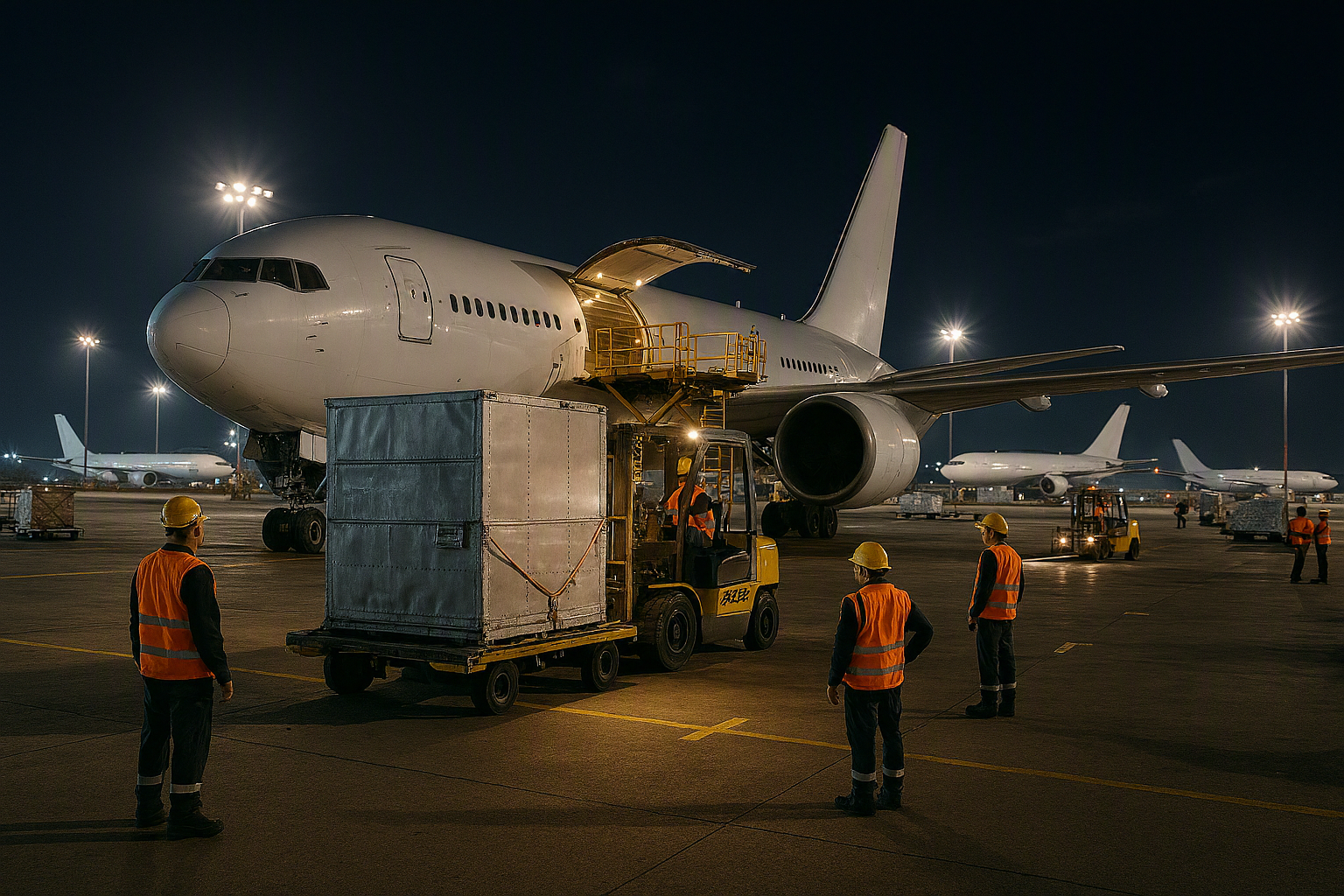
While ocean shipping continues to absorb the effects of the Middle East conflict and the volatility of container rates from Asia, air cargo in Mexico is capitalizing on that disorder with hard numbers. According to data from the Federal Civil Aviation Agency, the country handled more than 403 thousand tons of air cargo in the first four months of the year, up 6.4% from the same period of 2025. This is not a one-off spike: growth has been sustained for several months and reflects a deeper shift in how companies make transport decisions in the face of ocean uncertainty.
For industry operators, the trigger is clear. Humberto López, head of air cargo at Eternity Group México, explained that the cost gap between air and ocean freight has narrowed considerably due to the premiums, fuel surcharges and Space Release Fees that carriers have been applying since the start of the year. When that gap shrinks, importers who need to meet delivery commitments prefer the certainty of a plane over the uncertainty of a ship. The fastest-growing routes are precisely those with the highest demand for inputs and consumer goods: Shanghai–AIFA and Hong Kong–Guadalajara account for much of the new volume, driven by electronics, spare parts, textiles and e-commerce products. E-commerce keeps growing despite the new tariffs Mexico has applied since January to imports from countries without a trade agreement, which points to demand that holds firm even with higher costs.
The impact on airport infrastructure is already visible. The airports of Querétaro, AICM, Guadalajara and Monterrey lead growth in domestic cargo, a sign that internal distribution is also intensifying as more goods arrive in the country by air. For freight forwarders operating both modes, the moment calls for an active review of their recommendations to customers: on routes where the cost difference between ocean and air no longer justifies taking on the risk of volatile schedules, sailing delays and last-minute charges, air is no longer the expensive option but the predictable one. That equation, unthinkable two years ago, now drives much of the logistics decision-making on the Mexico–Asia corridor.
Source: T21 · Agencia Federal de Aviación Civil (AFAC) · Eternity Group México · Xeneta · ANPACT
Published: June 23, 2026
Last updated: November 27, 2026
Slug: air-cargo-in-mexico-posts-six-months-of-sustained-growth-and-cements-its-edge-over-ocean-chaos