
The program starts on October 23 and will test a future electronic manifest scheme for land exports from the United States. Its initial scope is voluntary and limited to nine carriers.
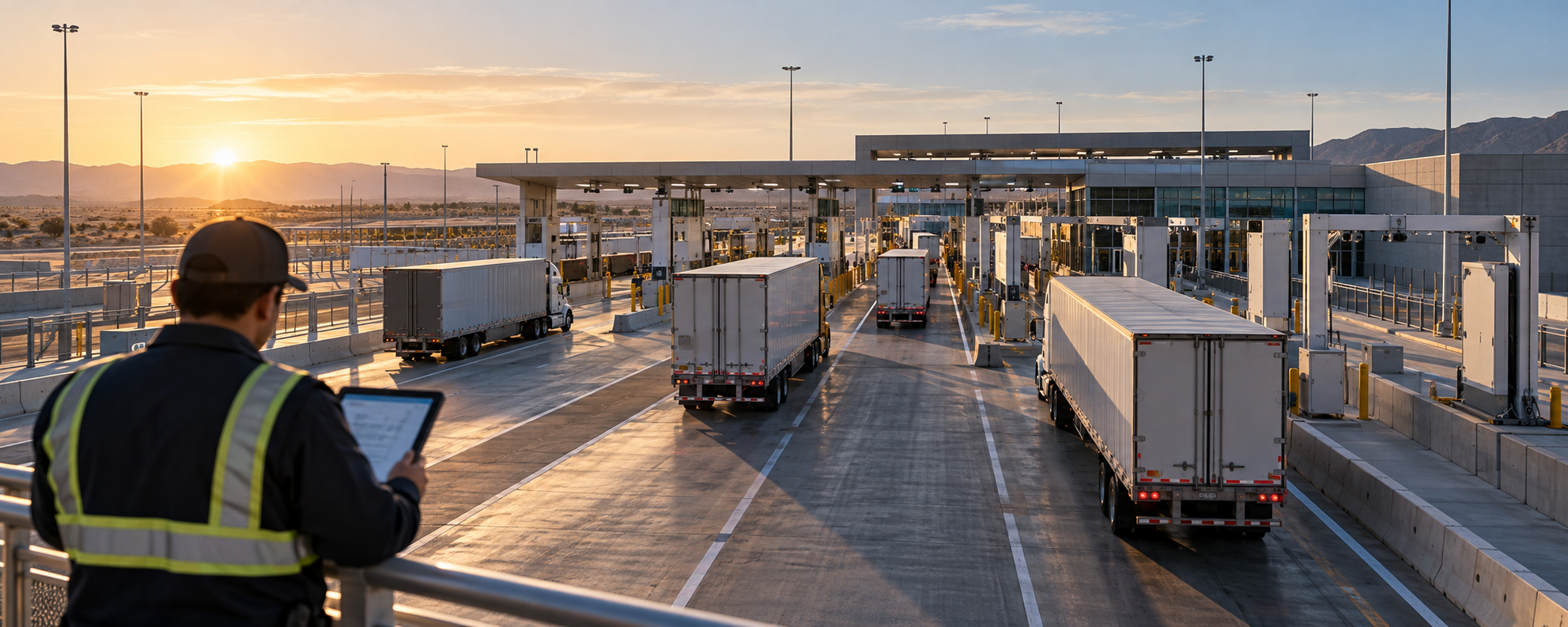
U.S. Customs and Border Protection (CBP) will launch its Electronic Export Manifest test for truck cargo on October 23. The program will run within ACE for about two years, subject to changes, extension or early termination.
Participating carriers must submit seven initial data elements at least 24 hours before the truck departs: bill of lading number, quantity, weight, a precise description of the goods, shipper, consignee and AES exemption where applicable. Generic descriptions such as "general cargo" are not acceptable in the test.
The full manifest must be filed no later than two hours before arrival at the last U.S. port of export. For shipments bound for Mexico, the conditional fields include the Mexican pedimento number, plus driver, equipment, seal and hazardous materials data where applicable.
What is confirmed is that the test will be voluntary and limited to nine carriers with the technical capability to use the ACE portal or transmit via EDI. There is no general requirement, as of October 23, for every truck crossing into Mexico.
CBP also requires participants to have procedures for handling hold messages and "Do Not Load" orders. An inconsistency between the exporter's information, the EEI/AES filing and the carrier's manifest could lead to inquiries or inspection before the cargo is released.
CBP's stated intention is to use the results to prepare a later rulemaking. For Mexican companies, the preventive step is to identify who generates each data element and to make sure the pedimento, invoice, description, weight and U.S. references are available before the truck is loaded.
SOURCES: U.S. Customs and Border Protection / Federal Register, Expeditors — CBP Announces Electronic Export Manifest for Truck Cargo Test
Published: October 22, 2026
Last updated: November 27, 2026
Slug: cbp-moves-road-cargo-information-24-hours-earlier-in-new-border-pilot